
Creating cinematic backdrops with Google Labs
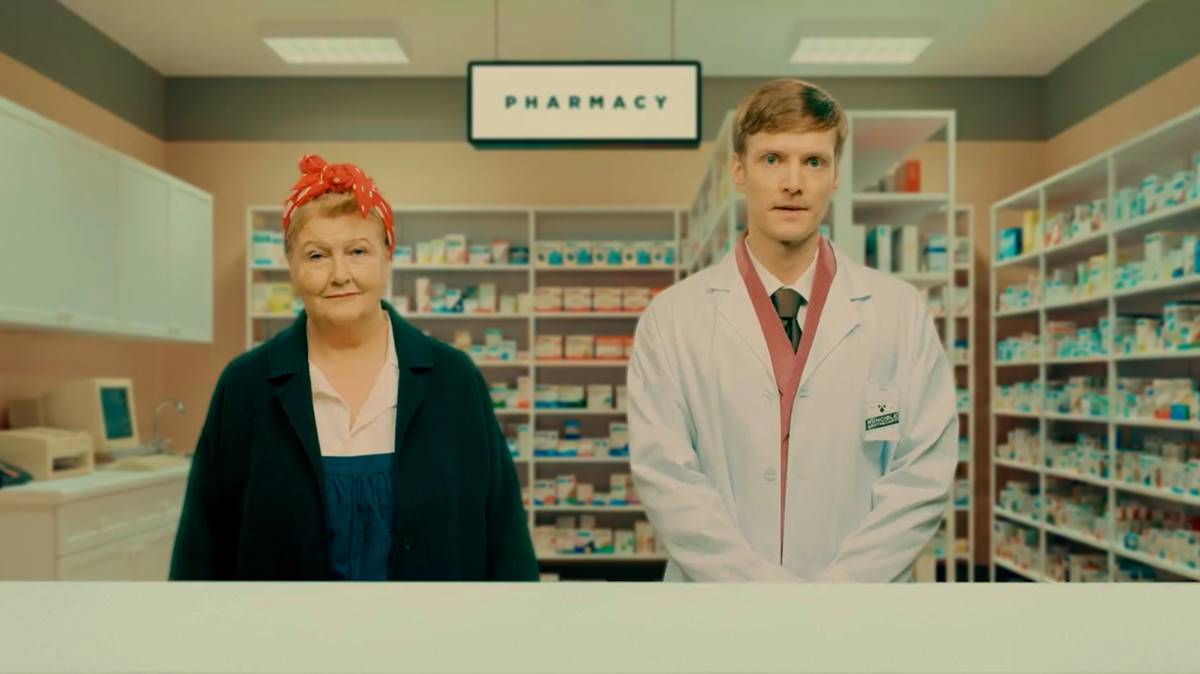
We’re always looking at how emerging AI tools can enhance the creative process. A recent eLearning project gave us the perfect opportunity to put that approach into practice.
By testing new technologies and identifying where they genuinely add value, we’re able to push the creative limits while staying flexible with budgets and timelines.
We were working on an eLearning project with a limited budget that required a very specific visual style. The new film needed to match the look and tone of a previous installment, meaning the backdrops had to feel consistent and carefully designed. Maintaining that continuity was essential to the overall storytelling and aesthetic.
Originally, the concept called for filming on location in a hospital setting. However, the budget didn’t allow for location shooting, and recreating a convincing hospital environment traditionally would have required significant set design costs. The film also needed some highly stylised framing and composition inspired by the distinctive visual style associated with Wes Anderson, like symmetrical shots, controlled colour palettes and carefully framed environments.
We filmed the presenter on a green screen in a controlled studio environment and used Google Labs’ Whisk tool to generate the hospital backdrops. Much of the creative work happened in the prompting process. Through an iterative series of prompts and refinements, we were able to generate backgrounds that matched the required tone and visual style.
One of the biggest advantages was being able to view the generated backdrops in-camera during filming. This allowed us to fine-tune lighting, framing and presenter positioning on the spot, ensuring everything blended naturally with the final environments. Additional subtle movement and animation were then added during post-production.
The finished film features ultra-realistic backgrounds that maintain a consistent, high-end visual style throughout. By combining AI-generated environments with thoughtful production techniques, we achieved a polished result while maintaining full creative control over the setting.
When AI tools are approached with the right focus on how they can really add value, they can unlock all sorts of possibilities for production.